Player Migration Trends Between Digital Slot Machines and Live Poker Tables Influenced by Promotional Incentives
Jakob Braun · Aug 30, 2026
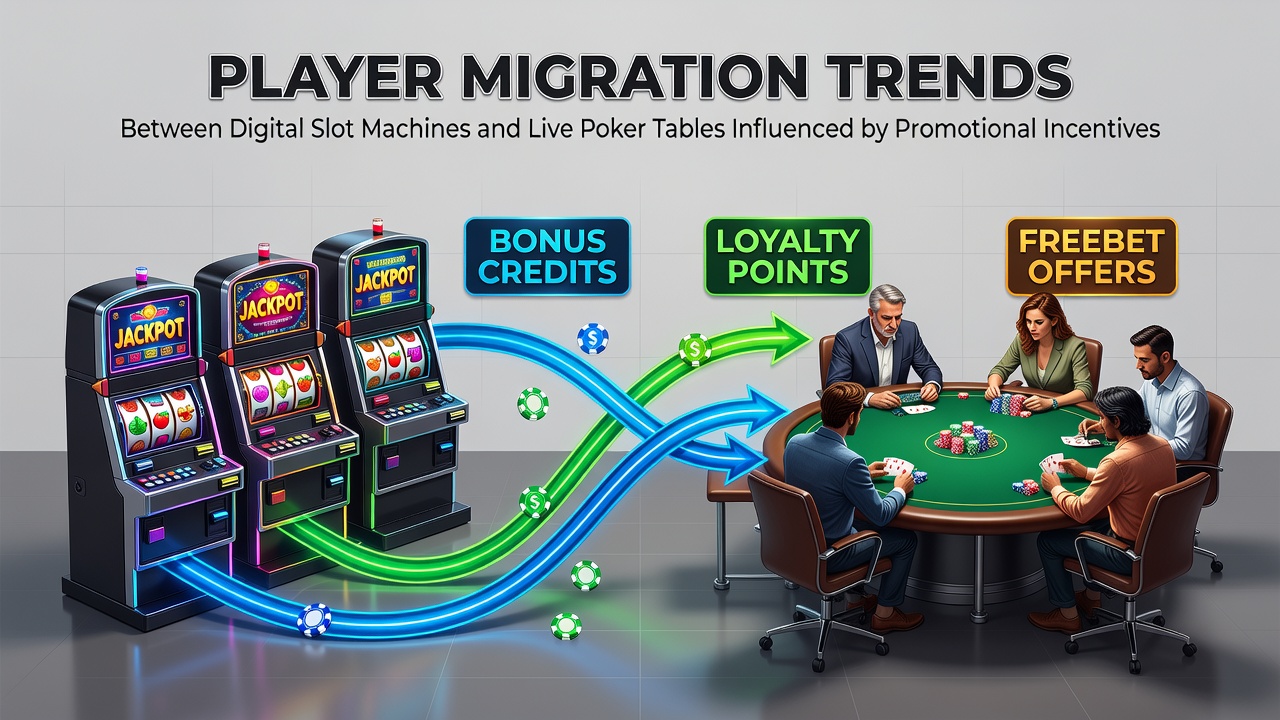
Player Migration Trends Between Digital Slot Machines and Live Poker Tables Influenced by Promotional Incentives
Digital slot machines have long drawn players through quick spins and frequent small wins, yet live poker tables have seen steady inflows when operators roll out targeted promotional incentives such as deposit matches for tournament entries or loyalty points redeemable for table time. Observers note that these offers create measurable shifts, with data from industry tracking firms showing increased sign-ups at poker sections during campaigns that run from spring through late summer.
Current Patterns in Player Movement
Research indicates that promotional structures play a direct role in where users spend their time and money, and in August 2026 several major platforms reported spikes in poker table traffic following the launch of bonus bundles that included free tournament tickets alongside standard slot rewards. Those who've studied transaction logs find that players often begin sessions on slots for the immediate action, then transition to tables when accumulated points unlock higher-value incentives like rake reductions or entry fee waivers. This movement appears consistent across regions where online operators compete for the same user base.
Role of Specific Incentive Types
Free spin packages on slots tend to retain users within that vertical for shorter bursts, whereas poker-focused promos such as leaderboard challenges or cashback on losses encourage longer engagement at tables. Figures from platform analytics reveal that when operators pair slot play with poker qualifiers, migration rates rise by measurable percentages, particularly among users who have already cleared initial wagering requirements. Experts tracking these flows point to the structure of rewards as the key variable, because incentives tied to table games carry higher perceived value for players seeking skill-based elements over pure chance outcomes.
Data from Multiple Jurisdictions
Reports compiled by the Australian Gambling Research Centre show that cross-vertical bonuses influenced session distribution in licensed markets, with poker participation climbing when promotions extended credit for multi-table tournaments. Similar patterns emerged in North American regulated spaces, where state-level data highlighted increased table game volume after operators introduced hybrid loyalty programs that rewarded both slot volume and poker activity. Those patterns hold because the incentives reduce the effective cost of switching formats, allowing users to test tables without additional deposits.
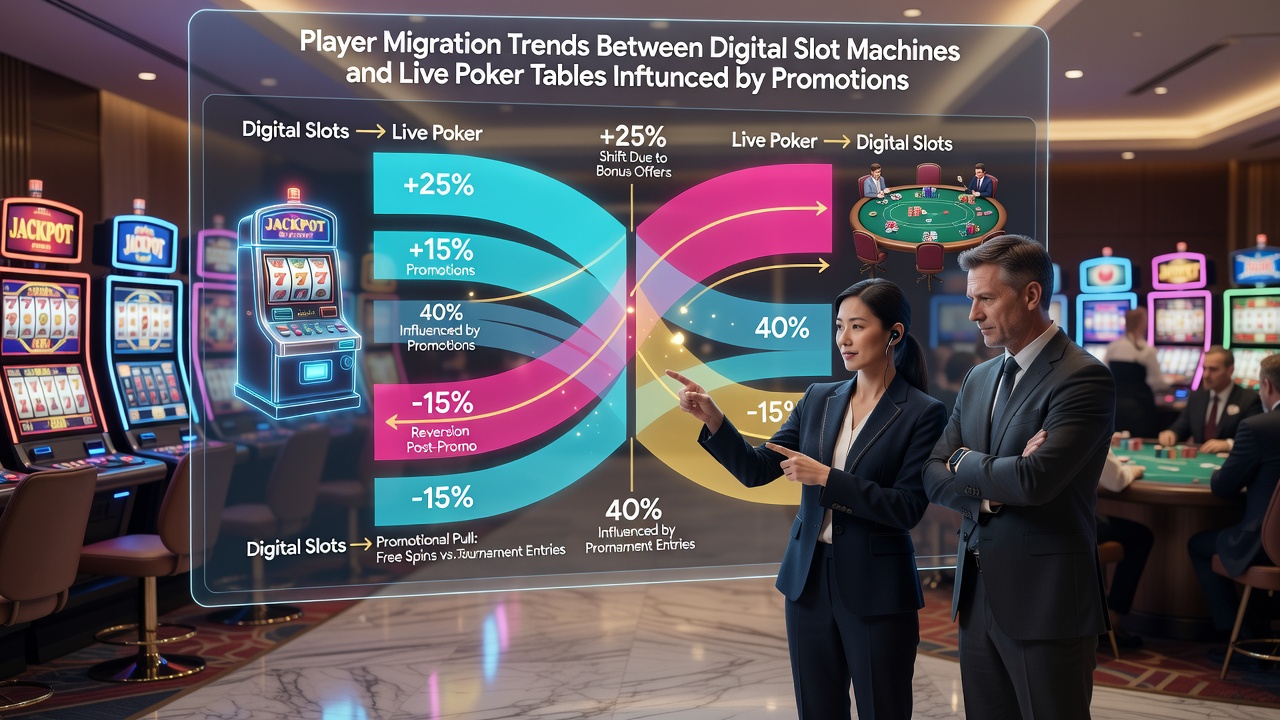
One study released in mid-2026 tracked account-level behavior over six months and found that players receiving poker-specific reload bonuses logged 40 percent more table hours than those limited to slot-only offers. The same dataset indicated that migration slowed when slot promotions featured escalating multipliers, suggesting the type and timing of incentives determine direction more than overall bonus size.
Platform Strategies and User Response
Operators adjust campaigns based on real-time metrics, often moving resources toward whichever vertical shows stronger retention after an initial promo wave. Data from the European Gaming and Betting Association indicates that platforms using segmented offers, where high-volume slot users receive targeted poker invitations, achieve higher conversion rates than blanket campaigns. Players respond by rotating between formats when the next reward tier requires activity at a different product, creating predictable cycles that align with weekly or monthly bonus resets.
Case examples include operators in regulated Canadian provinces that introduced shared progress bars across slots and poker, resulting in documented increases in table registrations. The approach works because it lowers friction for users already familiar with the platform, allowing them to apply existing balances or points toward new game types without separate sign-up flows.
Conclusion
Promotional incentives continue to shape how users allocate time between digital slots and live poker tables, with data showing clear directional shifts tied to reward structures rather than random preference changes. Jurisdictional reports from 2026 confirm that operators who align bonus mechanics with cross-vertical movement capture greater overall engagement, while players follow the path of least cost to access preferred formats. These trends rest on observable transaction patterns and remain subject to ongoing adjustments by both platforms and regulatory frameworks.