How Loyalty Tier Structures Influence Player Transitions from Reel-Based Slots to Live Dealer Poker on Mobile Platforms
Dana Fischer · Sep 27, 2026
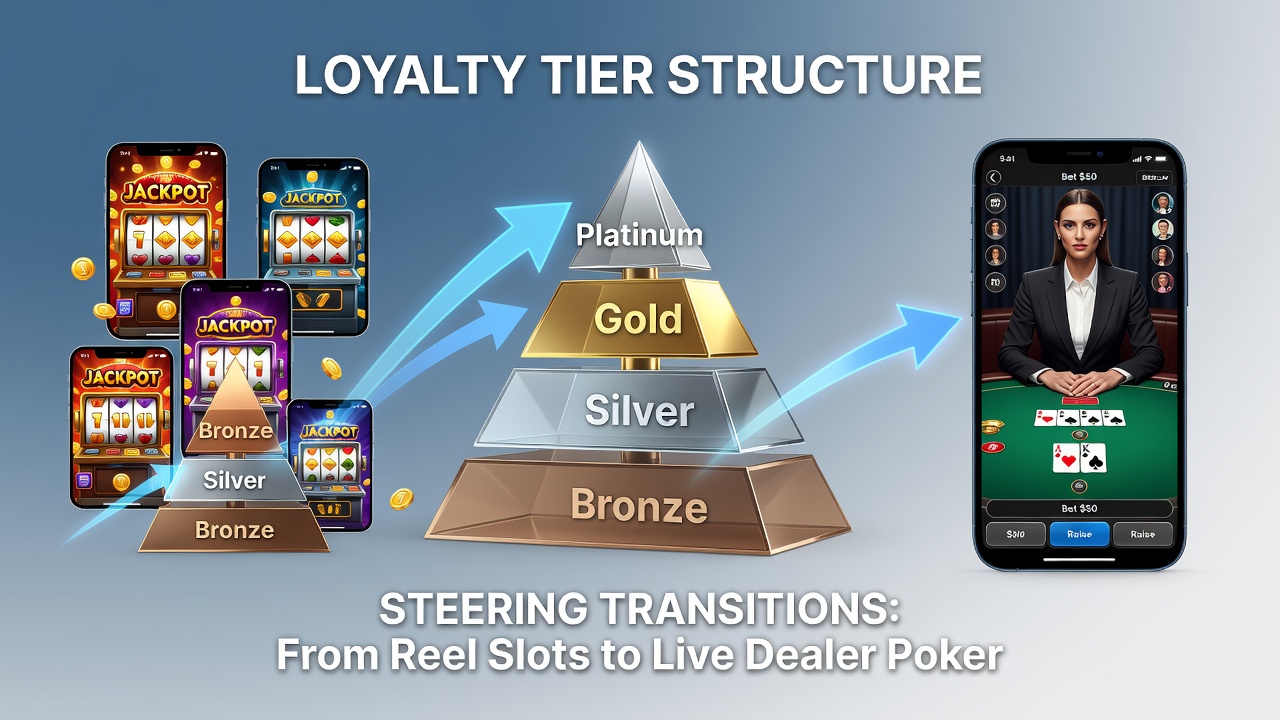
How Loyalty Tier Structures Influence Player Transitions from Reel-Based Slots to Live Dealer Poker on Mobile Platforms
Loyalty tier structures in mobile casino platforms organize player rewards into progressive levels that begin with basic access to reel-based slots and advance toward premium features in live dealer poker environments, and these systems track activity metrics such as wager volume, session frequency, and game variety to determine tier status.
Mechanics of Tier Progression on Mobile Devices
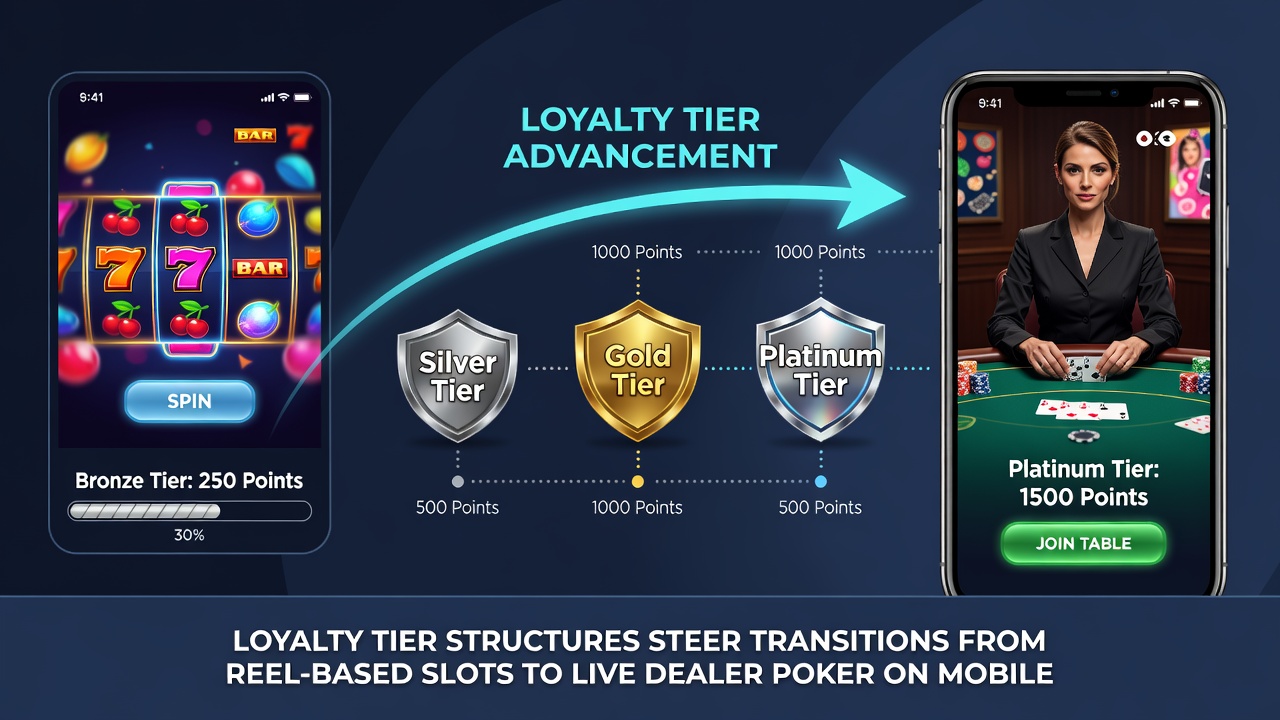
Platforms calculate tier advancement through cumulative points earned primarily from slot machine play, where each spin contributes a fixed ratio of points that unlock subsequent levels granting access to live dealer tables, and data from industry reports indicate that players reaching intermediate tiers receive targeted notifications promoting poker sessions with reduced rake or exclusive table invites. Mobile interfaces display real-time progress bars alongside slot reels, which encourages continued engagement until thresholds for live poker eligibility are met, while algorithms adjust point multipliers during promotional periods to accelerate movement between levels.
Research indicates that entry-level tiers focus exclusively on slot bonuses such as free spins and deposit matches, yet higher tiers incorporate cross-game incentives that include poker-specific rewards like tournament entries and dealer interaction privileges, and this structure creates a documented pathway observed in multiple platform analytics.
Data Patterns in Game Type Shifts
Analytics from mobile operators reveal that players who accumulate sufficient slot activity to enter mid-tier status show increased participation rates in live poker rooms within subsequent weeks, and figures from a 2025 study by the Alcohol and Gaming Commission of Ontario demonstrate a measurable uptick in poker table joins among accounts that previously logged heavy reel-based volume. Transition rates vary by device type, with smartphone users exhibiting faster shifts due to push notification integration that highlights tier benefits tied to poker play.
September 2026 updates to several major platforms introduced dynamic tier resets based on rolling 90-day windows rather than calendar years, which refined how slot-derived points translate into live dealer privileges and produced corresponding changes in session distribution across game categories.
Integration of Live Dealer Features Within Tier Benefits
Live dealer poker integration occurs when tier thresholds unlock HD streaming options and multi-hand capabilities on mobile, and operators report that these unlocks coincide with slot activity peaks to maintain momentum from reel-based sessions. Point systems assign bonus multipliers to live table wagers once players reach designated levels, which sustains engagement after the initial transition occurs, while chat features and private table access become available only at upper tiers to differentiate the experience from standard slot play.
Observers note that geographic variations influence these mechanics, with platforms licensed in regions such as those overseen by the Malta Gaming Authority incorporating tier-based compliance checks that verify player location before granting live poker entry, and similar frameworks appear in Australian regulatory filings that track cross-game movement under loyalty programs.
Platform Design Elements Supporting Transitions
Mobile applications embed tier status indicators directly within game lobbies so that slot players encounter visual prompts for poker tables upon reaching new levels, and developers design these interfaces to minimize friction between game types through unified account wallets and shared progress tracking. Case examples from operator reports show that seamless switching tools, such as one-tap table joins from slot screens, correlate with higher retention across both categories when paired with tier rewards.
Studies conducted by the University of Las Vegas Center for Gaming Research highlight how tier-gated content in live environments draws from slot player pools without requiring separate onboarding processes, which streamlines the observed movement patterns in aggregated usage data.
Conclusion
Loyalty tier structures function as navigational frameworks that convert reel-based slot activity into live dealer poker participation through sequenced rewards and access privileges on mobile platforms, and ongoing platform adjustments continue to refine these pathways based on performance metrics collected across regions. The documented mechanisms rely on point accumulation, benefit differentiation, and interface integration to facilitate the described transitions while adhering to regulatory standards in respective jurisdictions.