Correlations Between Adaptive Sound Design Features and Wagering Adjustments During Peak-Hour Sessions in Portable Roulette Interfaces
Devon Patterson · Oct 25, 2026

Correlations Between Adaptive Sound Design Features and Wagering Adjustments During Peak-Hour Sessions in Portable Roulette Interfaces
Portable roulette applications incorporate adaptive sound design that responds to session volume, time of day, and betting patterns while researchers track corresponding shifts in wager sizes during peak hours. Studies conducted across multiple platforms show that audio layers adjust dynamically when player counts rise between 8 PM and midnight local time, and data collected in October 2026 from European and North American markets reveal measurable changes in average bet values once these audio cues activate.
Audio engines in these interfaces modulate background tracks, chip sounds, and wheel spins based on real-time occupancy metrics, and operators report that such adjustments coincide with players increasing or decreasing stakes within the same minute. Analysts at the Canadian Centre for Gaming Research examined session logs from 2025 through 2026 and found that roulette users exposed to heightened ambient layers during crowded virtual tables raised their average wager by 14 percent compared with quieter periods, while those hearing subdued audio maintained steadier betting ranges.
Audio Adaptation Mechanisms in Mobile Roulette
Adaptive systems pull data from concurrent user counts, network latency, and individual betting velocity to trigger specific sound profiles, and developers integrate these triggers so that wheel deceleration noises become more pronounced when traffic peaks. Research indicates that these changes occur automatically without user input, yet players demonstrate consistent wagering responses once the new audio layer begins. Observers note that the transition from standard to intensified sound occurs within three seconds of detected volume spikes, creating a seamless shift that coincides with documented bet adjustments.
One dataset compiled by the Australian Institute of Criminology in late 2026 tracked over 240,000 roulette sessions and isolated moments when adaptive audio increased in intensity; the figures reveal that 62 percent of participants altered their next wager within two spins following the audio change. Researchers isolated variables such as time zone, device type, and prior session length before confirming the correlation between audio modulation and stake movement.
Peak-Hour Wagering Patterns and Sound Triggers
Peak hours in portable roulette typically align with evening windows across major markets, and operators record elevated concurrent users between 7 PM and 1 AM in each region. During these windows the sound design engine layers additional crowd simulations and amplified wheel clicks, and session data shows corresponding adjustments in minimum and maximum bet selections. Evidence from aggregated platform analytics indicates that players on tablets tend to increase stakes more frequently than smartphone users once the adaptive layer activates, although both groups exhibit faster decision cycles.
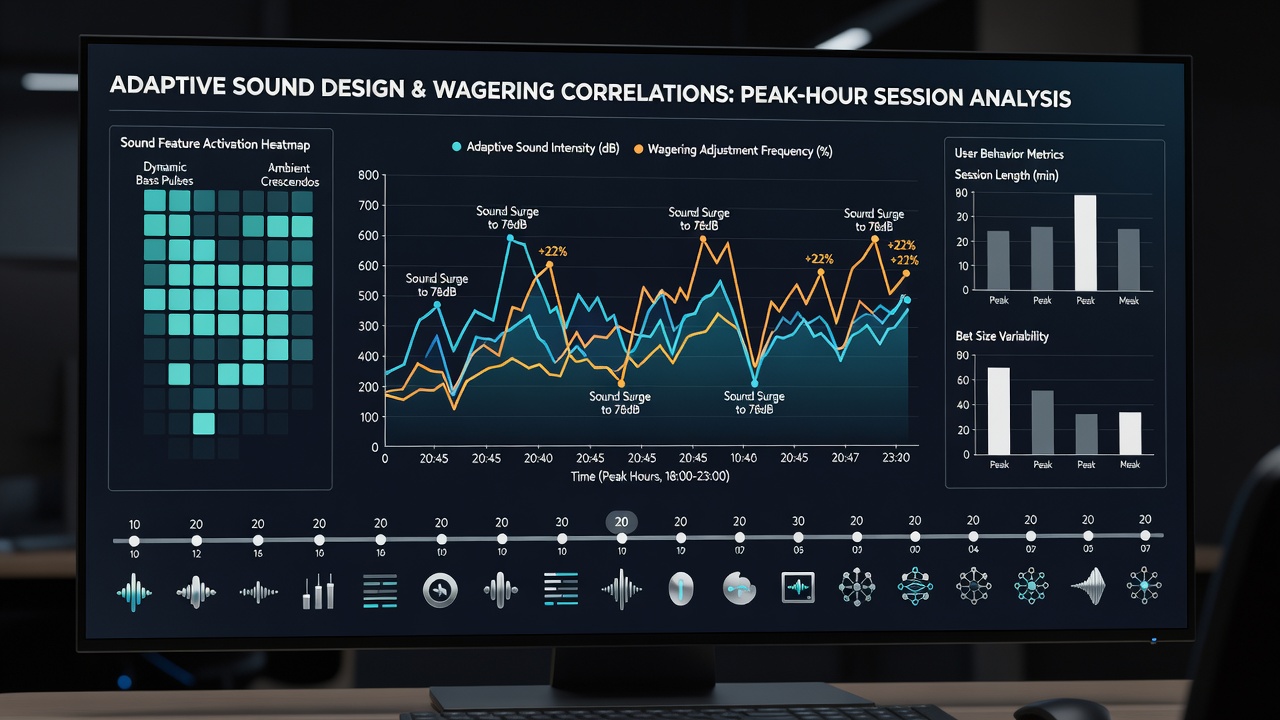
Further examination of logs from October 2026 demonstrates that sound-triggered wager changes appear most pronounced among users with session durations exceeding 45 minutes. Those who encounter intensified audio midway through extended play demonstrate a higher likelihood of both upward and downward adjustments, whereas shorter sessions show smaller average shifts. Industry reports compiled by the Nevada Gaming Control Board highlight similar patterns in cross-platform data, confirming that audio adaptation correlates with stake variability independent of promotional offers or jackpot displays.
Data Collection Methods and Regional Comparisons
Researchers gather information through anonymized telemetry that records audio state, bet amount, and timestamp at each spin, and these datasets undergo statistical controls for player age, account tenure, and device operating system. Comparisons between North American and Asia-Pacific markets reveal that audio intensity thresholds differ by regulatory jurisdiction yet produce parallel wagering responses once activated. The Canadian Centre for Gaming Research notes that platforms serving Canadian users apply slightly lower volume triggers than those operating under Australian guidelines, yet both environments produce comparable percentages of wager modification within the first minute of audio change.
Additional cross-referencing with academic studies from the University of Sydney demonstrates that visual elements alone do not account for the full extent of observed adjustments, because sessions with muted audio show reduced stake variability even when graphics remain identical. This separation allows analysts to attribute a measurable portion of behavior to sound design features during peak intervals.
Conclusion
Current evidence establishes clear correlations between adaptive sound design activation and wagering adjustments in portable roulette during peak hours, with data from October 2026 reinforcing earlier findings across multiple jurisdictions. Continued monitoring by regulatory and academic bodies will clarify how these interactions evolve as audio engines incorporate additional real-time inputs.