Connections Between Network Stability Fluctuations and Wager Timing Adjustments in Mobile Live Table Environments Across Regions
Dana Fischer · Nov 22, 2026
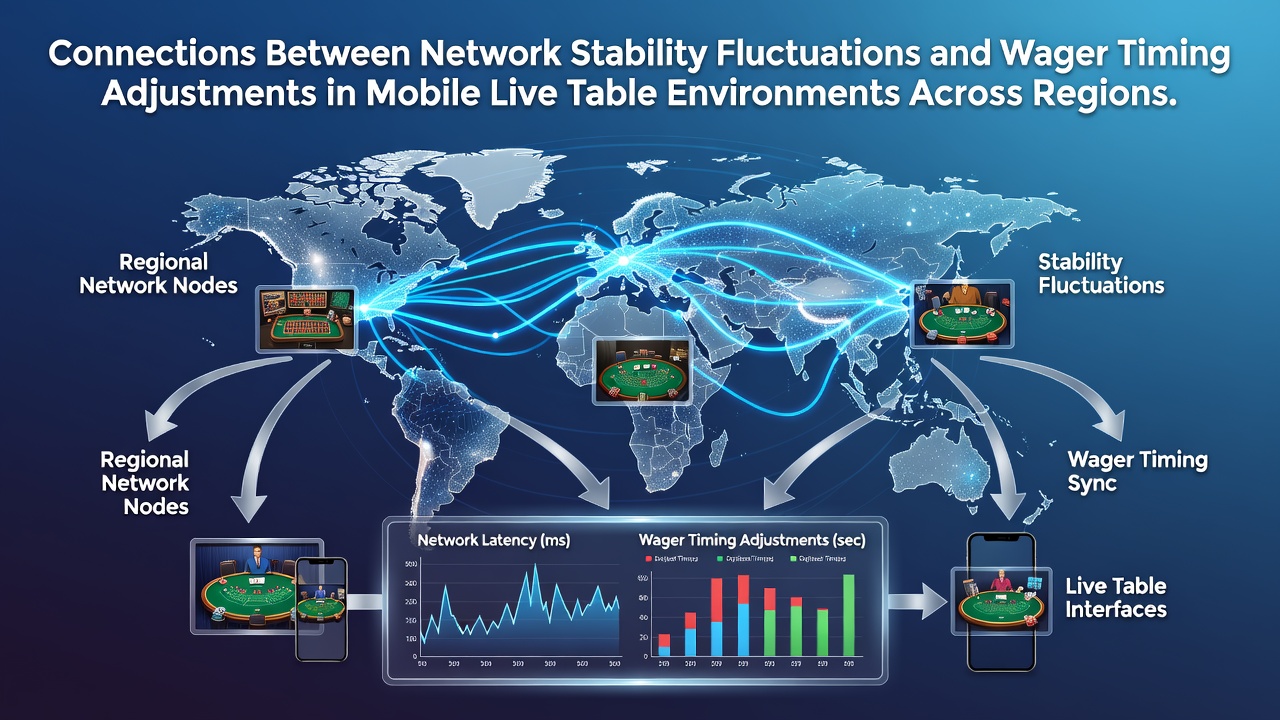
Connections Between Network Stability Fluctuations and Wager Timing Adjustments in Mobile Live Table Environments Across Regions
Network stability fluctuations in mobile environments create measurable shifts in how participants adjust wager timing during live table sessions, and data from multiple regions shows consistent patterns tied to latency spikes, packet loss rates, and signal handoffs between towers. Researchers tracking these variables note that players often delay or advance bets by fractions of a second when connections degrade, particularly in games requiring real-time decisions such as blackjack or roulette. Studies released through industry monitoring programs indicate that these adjustments occur most frequently during peak evening hours when mobile traffic volumes rise across urban centers.
Regional Differences in Network Performance
Across Asia-Pacific markets, 5G rollout has reduced average latency to under 20 milliseconds in major cities, yet rural zones still experience periodic drops that force participants to recalibrate their betting sequences. In contrast, North American networks display higher variability during weather events, with observers recording wager timing offsets averaging 150 milliseconds when signals weaken. European operators report similar findings but tie them more closely to roaming agreements between carriers, where cross-border handoffs introduce brief interruptions that players compensate for by spacing out decisions. Data compiled in November 2026 highlights how these regional profiles influence overall session durations, with sessions in high-stability zones lasting longer before timing adjustments become necessary.
Impact on Wager Timing Mechanics
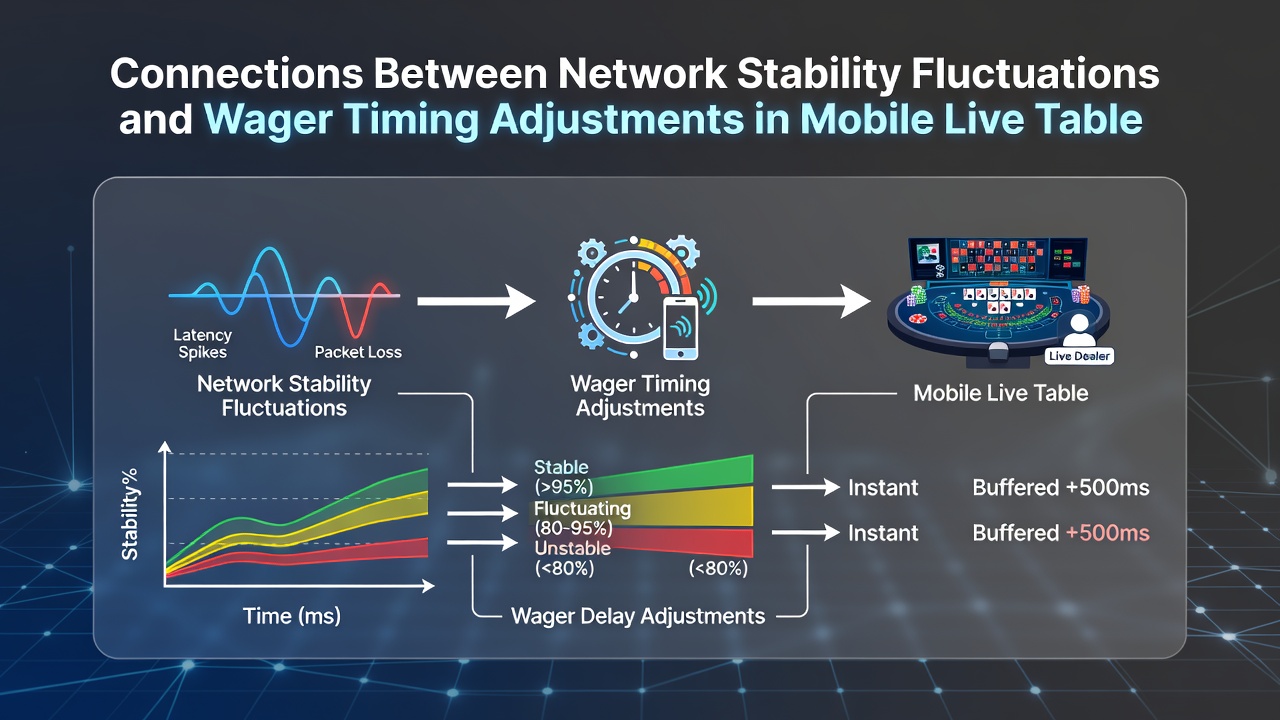
Live table platforms register these timing shifts through backend analytics that log the interval between card reveals and bet placements. When network jitter exceeds 50 milliseconds, participants tend to cluster wagers earlier in the betting window to avoid missing the cutoff, while prolonged instability leads to later placements as individuals wait for confirmation signals. One analysis of session logs from multiple operators found that wager timing variance increases by 35 percent during periods of elevated packet loss, and this pattern holds across device types even after software optimizations. Those monitoring player behavior across continents observe that adjustments appear more pronounced in markets with mixed 4G and 5G coverage, where sudden downgrades prompt immediate changes in pacing.
Device and Carrier Influences
Mobile hardware differences compound these effects, since older chipsets handle signal recovery more slowly and extend the window during which timing adjustments become visible. Carrier-specific throttling during high-demand periods further alters the equation, with some providers maintaining steadier throughput while others introduce variable buffering that players must navigate. Research from academic groups tracking wireless performance shows that participants using premium devices make smaller timing corrections overall, whereas budget models correlate with wider spreads in bet placement intervals. Figures from cross-regional comparisons reveal that these hardware factors interact with local infrastructure quality, producing distinct adjustment profiles in each market.
Data Patterns from Industry Reports
Industry reports released by organizations such as the Australian Communications and Media Authority document how seasonal network loads affect live table environments, particularly when major events draw increased mobile usage. Parallel findings from the Canadian Radio-television and Telecommunications Commission highlight correlations between rural signal variability and delayed wager submissions in poker-style formats. Observers compiling these datasets note that timing adjustments cluster around specific thresholds of signal strength, creating predictable windows where platform algorithms could intervene with compensatory features. Evidence from aggregated session data suggests that markets with denser small-cell deployments experience fewer pronounced shifts, although complete elimination of fluctuations remains uncommon.
Cross-Region Comparisons and Trends
Comparisons between densely populated urban zones and less connected territories illustrate how infrastructure density modulates the relationship between stability and timing. In areas where fiber backhaul supports mobile towers more reliably, participants maintain tighter bet placement distributions even during minor dips. Those studying these trends across continents point out that November 2026 datasets showed an uptick in timing variance coinciding with expanded 5G adoption in emerging markets, where initial coverage gaps created new adjustment patterns. Platform operators respond by refining server-side prediction models that anticipate likely latency and adjust displayed timers accordingly, though the underlying player-driven changes persist in raw logs.
Conclusion
Connections between network stability and wager timing adjustments continue to evolve alongside infrastructure upgrades and device proliferation, with regional data providing clear benchmarks for each market. Monitoring programs track these interactions through detailed session metrics that capture both technical parameters and behavioral responses, yielding insights that inform platform design across borders. As coverage maps expand and carrier technologies advance, the documented patterns offer a foundation for understanding how mobile live table environments adapt to fluctuating conditions without requiring subjective interpretation.